
How to optimise a collection page for SEO: a practical guide for ecommerce brands
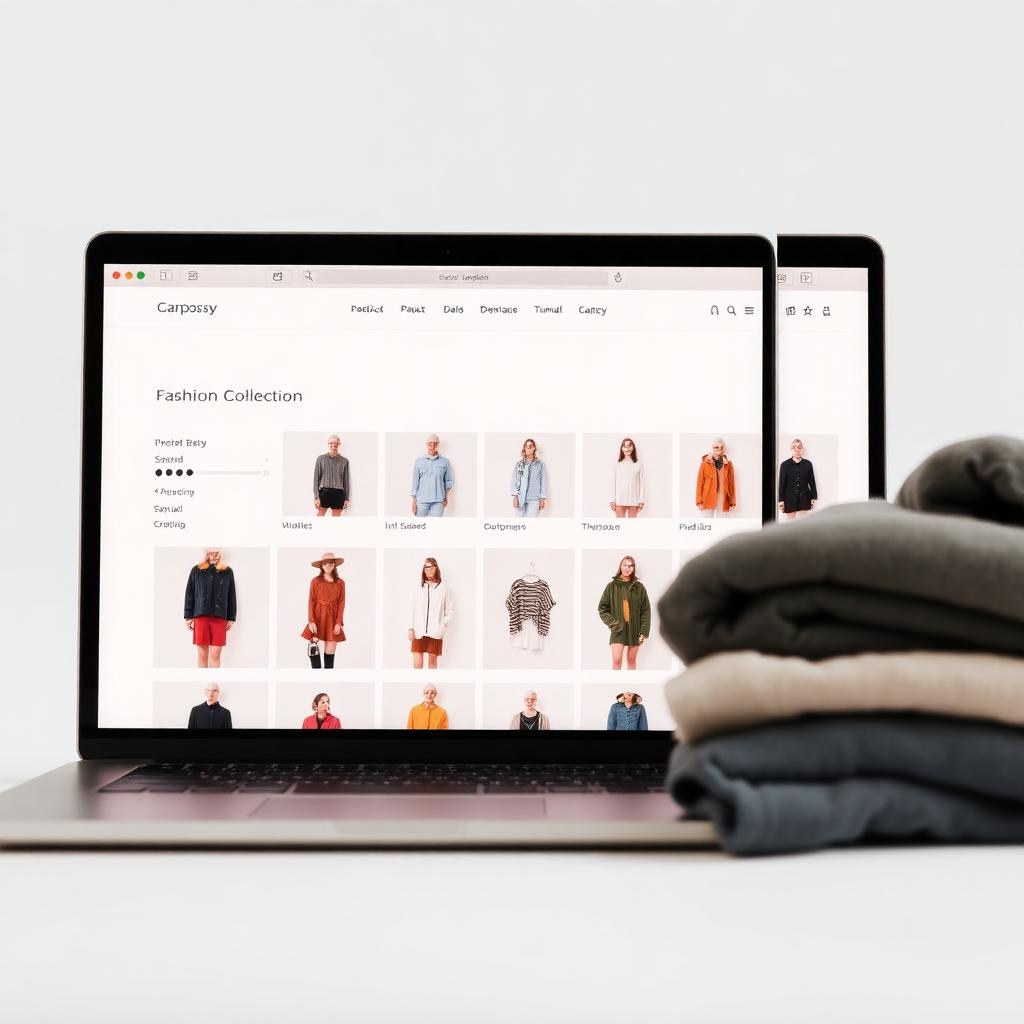
Collection pages are the biggest missed SEO opportunity in ecommerce. A practical, intent-led framework — the KI-5 model — to make category pages rank for high-intent keywords.
For most e-commerce brands, collection pages are the biggest missed SEO opportunity. While blogs are often prioritised for content, it's the collection pages that align most closely with commercial intent — they're designed to convert users who already know what they want. Yet in many audits we run at Guerrillas, collection pages are thin, partially optimised, or completely overlooked.
Why collection pages matter more than blogs
When users search for a product category, they're usually ready to explore options or buy. Google understands this intent and prefers ranking pages that let users browse products directly. If a collection page doesn't clearly explain what the category is, why it matters, or how the products fit user intent, Google struggles to rank it — and marketplaces or competitors take the top positions. Improving collection pages is often faster and more impactful than publishing multiple blog posts.
What is collection page SEO?
Collection page SEO is the process of optimising category pages to rank for high-intent keywords by aligning URL structure, metadata, headings, content depth, and internal linking with user intent. Unlike blogs, collection pages must balance discoverability with usability — they serve both search engines and buyers.
The KI-5 framework for collection page optimisation
At Guerrillas we evaluate collection pages using a simple intent-led framework we call KI-5. For a page to rank consistently, the primary keyword should appear across five core elements:
- URL structure
- Meta title
- Meta description
- H1 heading
- On-page content depth
When the keyword is present across all five, the page signals strong relevance and intent alignment. Missing even one element often limits ranking potential.
Common SEO gaps on collection pages
- URLs that don't include the primary keyword
- Generic or brand-led H1 headings rather than intent-led
- No collection description or contextual content
- Content too thin to establish topical authority
- Keywords restricted to meta tags and not visible on the page
These gaps explain why many collection pages stay stuck on Page 3 or 4 despite strong search demand.
Step 1: Add intent-aligned collection page content
The most impactful improvement is content depth. A well-optimised collection page should clearly cover what the category is, the craft, material or use case, how products are styled or used, and what differentiates them from alternatives.
Best practice is 300–600 words of structured content, split between sections above and below the product grid to maintain usability. Beyond rankings, this improves visibility in AI-driven search experiences where context matters.
Step 2: Use FAQs to capture long-tail and AI traffic
FAQs help collection pages rank for long-tail searches, voice queries, and AI-generated summaries. Effective topics include what makes the category unique, whether the product suits everyday use, how it should be styled, and how authenticity can be identified. Adding FAQ schema makes it easier for search engines and AI systems to extract clear answers.
Step 3: Optimise image alt text for discoverability
Image optimisation is often overlooked on category pages. When collections have a limited number of products, manually optimising alt text improves impressions and click-through. Alt text should be descriptive and intent-aligned — for example "primary keyword for women" or "designer version of primary keyword" — helping search engines understand visual relevance and improving accessibility.
Step 4: Fix product page SEO leaks
Product pages should reinforce the collection page's authority, not dilute it. Common issues include multiple H1 tags on a single product page, product titles missing the category keyword, inconsistent URL structures, and weak internal linking back to the collection page. Cleaning these ensures SEO value flows back to the category.
Step 5: Support collection pages with strategic blogs
Blogs work best when they support collection pages rather than compete with them. A single foundational blog explaining the category captures informational intent, builds topical authority, and strengthens internal linking to the collection page. Adding Article and FAQ schema helps these blogs surface in featured results and AI summaries.
Step 6: Use backlinks as an acceleration layer
On-page optimisation does most of the work, but a small number of relevant backlinks can accelerate ranking movement. In most cases, one or two high-quality, do-follow links pointing directly to the collection page are enough to trigger upward movement. Quality and relevance matter more than volume.
What ecommerce brands can expect
- Ranking movement within 60 to 90 days
- Increased impressions for high-intent keywords
- Better alignment between organic traffic and conversions
Collection pages are often treated as static product listings. In reality, they're one of the strongest levers for ecommerce SEO when optimised with intent — small, focused changes across structure, content, and internal linking often unlock disproportionate gains. This is where most ecommerce SEO opportunities still exist.
Questions, answered
Ready to grow organically?
Book a strategy call and put these ideas to work for your brand.
Book Strategy CallGet organic growth insights in your inbox
One sharp email a week. No fluff, unsubscribe anytime.
Keep reading
How to use ChatGPT for SEO: a personalised guide from Guerrillas
Read more
What is SEO and how can it help your business?
Read more
How to choose the right keywords for SEO
Read more
How to write SEO-friendly content that ranks higher in search engines
Read more
How fashion brands can dominate Google search in 2026
Read more
The modern fashion brand's guide to search engine optimisation
Read more