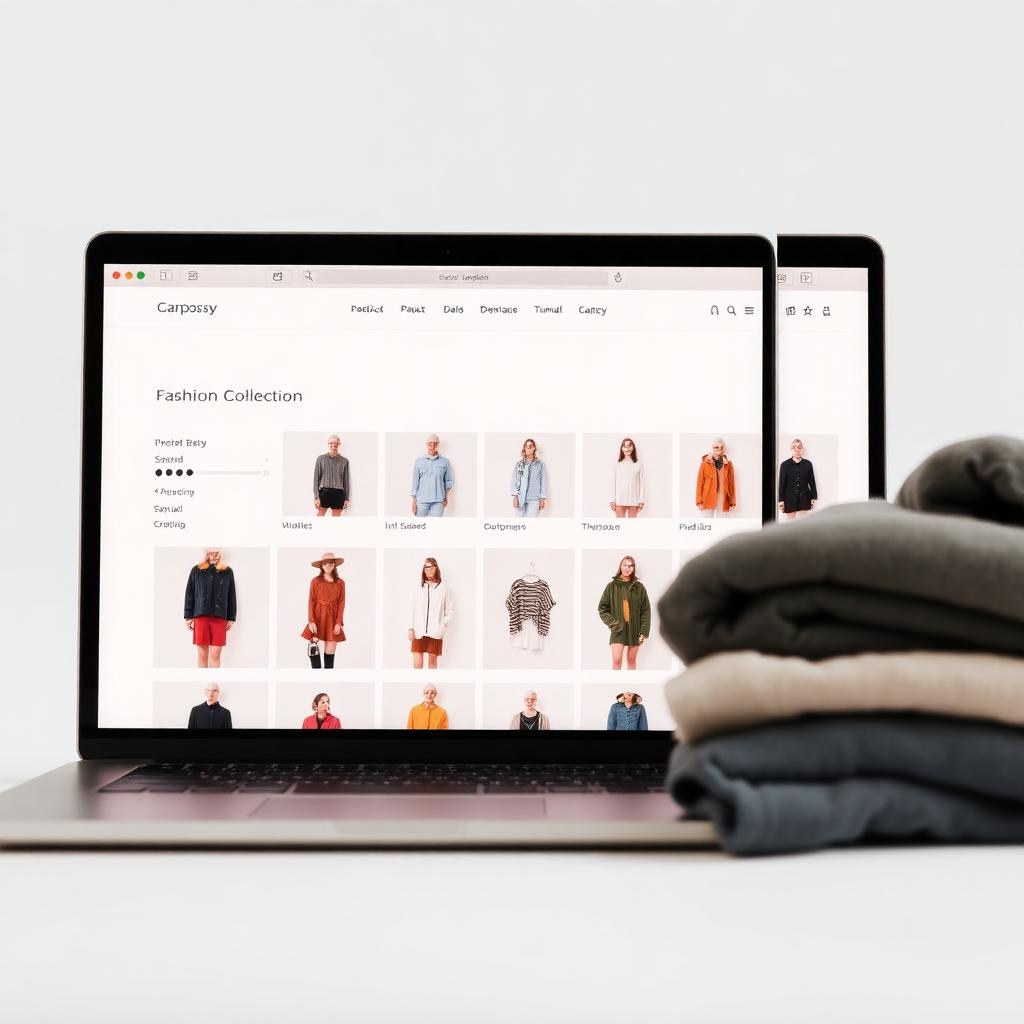
The modern fashion brand's guide to search engine optimisation

Demystifying SEO for fashion brands — what it means, why it's your best marketing asset, on-page and off-page essentials, real results, and a step-by-step roadmap.
In the dazzling world of fashion, where creativity knows no bounds, having a visually stunning online presence is paramount. But what if your exquisite designs and captivating brand story remain hidden from the very audience yearning to discover them? In the digital age, your online storefront is only as powerful as its visibility — and that's where the magic of Search Engine Optimisation steps in.
Understanding the "what": SEO meaning for fashion
At its core, SEO is the art and science of enhancing your website to rank higher in search engine results pages (SERPs). For a fashion brand, that means your collections, style guides, trend reports, and brand narrative appear prominently when potential customers search for relevant terms. Rather than relying solely on paid ads or social reach, SEO attracts organic traffic — visitors actively seeking what you offer.
Why SEO is a fashion brand's best marketing asset
- Reaching high-intent customers who are actively searching for specific items, trends, or brands — leading to higher conversion rates.
- Building brand authority and trust, since high-ranking sites are perceived as more credible.
- Sustainable, long-term traffic that keeps flowing long after the initial optimisation — unlike paid campaigns that stop when the budget does.
- Understanding your audience through the search-behaviour data SEO tools provide.
The practical how-to: core components of fashion SEO
On-page SEO: making your website shine
- Content is king: high-quality, engaging copy from product descriptions to category pages and blog posts — describe an "elegant black midi cocktail dress with a sweetheart neckline," not just a "black dress."
- Keywords: research terms across collections, seasonal trends, and style language, then weave them into titles, headings, meta descriptions, and body content.
- Visual SEO: use descriptive file names and detailed alt text, and keep images high-quality and fast-loading for both SEO and accessibility.
Off-page SEO: building your brand's authority
- Backlinks: earn high-quality links from reputable fashion blogs, magazines, influencers, and partner brands — votes of confidence in your site.
- Influencer collaborations and mentions that drive referral traffic and valuable backlinks.
- Online magazine and press mentions, won by pitching unique angles and compelling brand stories.
Real-world results: how SEO transforms businesses
SEO isn't a theoretical concept — it's a measurable strategy. When we began with GANT India, the challenge was ranking a new website for competitive keywords against established players in just a few months.
The strategy blended technical optimisation with targeted content: we optimised for speed, created blog content around relevant trends, and launched outreach to build high-quality backlinks from fashion publications. The result — within six months the brand generated over 1.5 million organic impressions and secured top-3 rankings for all branded keywords.
For an established ecommerce brand stuck on page two, we optimised existing product and category pages, identified high-volume relevant keywords, restructured internal linking, and updated old meta tags. Several category pages moved from page two to the top of page one, resulting in a 101.6% increase in orders over a year.
Why the data proves SEO is a must-have
- Organic search drives over 50% of all website traffic for many businesses (Reboot Online).
- A staggering 75% of ecommerce volume in India comes from mobile devices, so mobile optimisation is essential.
- Organic traffic often converts higher than other sources because those users are high-intent — fashion conversion rates run roughly 0.5%–3.3% depending on market.
- The average cost per acquisition for ecommerce rose 30% in 2024 — building organic presence is a powerful hedge against rising ad costs.
SEO & marketing: a unified strategy
- Let keyword research inform your content calendar — blog posts, style guides, and trend reports that answer real questions.
- Use a strong social presence to drive traffic and brand mentions that indirectly support rankings.
- Feed SEO insights into paid advertising, and use paid-campaign data to reveal new organic keyword opportunities.
A step-by-step guide: your SEO journey
- Step 1 — The initial audit: analyse your site's SEO health, technical issues, content, and backlink profile.
- Step 2 — Keyword research: identify relevant terms, search volume, and competition.
- Step 3 — Content plan: build a calendar aligned to your keywords that delivers real value.
- Step 4 — Link building: run strategic outreach to bloggers, journalists, influencers, and partner brands.
- Step 5 — Analysis: monitor rankings, organic traffic, and conversions with Analytics and Search Console, then refine.
Conclusion
The modern fashion landscape is dynamic and visually rich. To truly thrive, your brand must be not only aesthetically captivating but easily discoverable. Mastering SEO is no longer a luxury — it's a fundamental requirement for sustainable growth. Take the first step today and unlock the immense potential of organic traffic. Your digital runway awaits.
Questions, answered
Ready to grow organically?
Book a strategy call and put these ideas to work for your brand.
Book Strategy CallGet organic growth insights in your inbox
One sharp email a week. No fluff, unsubscribe anytime.
Keep reading

How to use ChatGPT for SEO: a personalised guide from Guerrillas
Read more
What is SEO and how can it help your business?
Read more
How to choose the right keywords for SEO
Read more
How to write SEO-friendly content that ranks higher in search engines
Read more
How fashion brands can dominate Google search in 2026
Read more
Building high-quality backlinks for your fashion brand
Read more